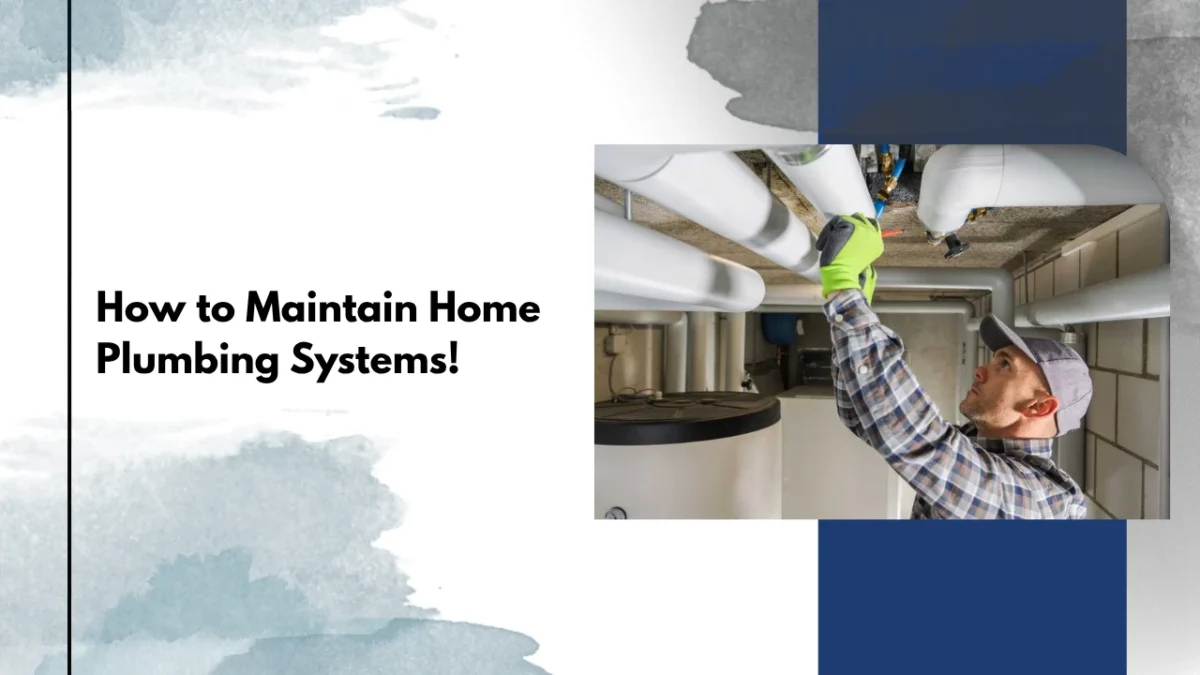
Hello guys, welcome back to my blog. Today I am going to tell you about how to maintain home plumbing systems, because this is something every homeowner should know but most people only think about it when something breaks. I have seen so many people spend big money on repairs that could be avoided with just little care.
If you ask me, learning how to maintain home plumbing systems is not hard at all. You don’t need to be a plumber for this. You just need to know a few basic habits and check a few things time to time. In this blog I will tell you all the simple tips, and I also picked up some good advice from real homeowners on Reddit who shared what worked for them.
Quick Plumbing Maintenance Checklist
Before I go into detail, let me give you a quick table. I always like tables because it is easy to see everything at one glance.
| What to Check | How Often | Why It Matters |
|---|---|---|
| Water heater flush | Once a year | Removes sediment, makes heater last longer |
| Anode rod | Every 2-3 years | Stops tank from rusting inside |
| Shut-off valves | Once a year | Keeps them from getting stuck |
| Drains and traps | Monthly | Avoid grease and hair build up |
| Outdoor spigots | Before winter | Stop pipes from freezing and bursting |
| Unused toilets/showers | Once a month | Keep traps filled with water |
Stop Clogs Before They Start
Clogged drains are, I think, the most common plumbing problem in any house. But the good news is, most clogs are 100% avoidable if you just change few small habits.
First thing, never pour grease or oil down your kitchen sink. It looks liquid when hot but it turns solid once it cools inside the pipe. One homeowner on Reddit put it very simply, saying you should never pour grease down the drain and instead collect it in a can and throw it in trash. I do this in my own kitchen too and it really works.
Second, wet wipes are a big enemy even if the pack says “flushable.” A person on r/HomeImprovement explained it well when they said not to flush wipes down the toilet because they don’t break down like toilet paper and cause blockage. Honestly I think companies should stop calling them flushable, it is confusing for people.
Third, use a hair catcher in your shower drain. This one small plastic screen can save you from calling a plumber. Family Handyman has a nice list of tips to keep drains from clogging and hair catchers are on top of that list. If you ever do get a stubborn clog, Consumer Reports also has a good guide on choosing a safe drain cleaner instead of just grabbing any random bottle from the store.
Take Care of Your Water Heater
Your water heater works quietly every day but people forget it until hot water stops coming. This is a big part of how to maintain home plumbing systems properly, because water heater problems are also plumbing problems.
Sediment builds up inside the tank over time, specially if your water is hard. Rheem, one of the biggest water heater makers, recommends you flush your water heater every year to remove this sediment. A Redditor on r/FacilityManagement agreed with this too, saying to flush water heaters annually to remove sediment so the unit stays efficient for long time.
Also don’t ignore the anode rod. This is a metal rod inside the tank that corrodes on purpose, so your tank doesn’t corrode instead. This Old House has a full guide on how to change a water heater anode rod, and I think every homeowner should read it once. Someone on r/homeowners also mentioned this part is regularly gets overlooked by most people, and I fully agree, it is one of those hidden parts nobody thinks about.
Check Your Shut-Off Valves and Fixtures
Every sink, toilet and appliance in your house has a shut-off valve. But if you never touch these valves, they can seize up and get stuck exactly when you need them the most, like during an emergency leak.
Bob Vila explains different shut-off valves in your home and honestly this article helped me understand my own house better. One plumber on Reddit gave a simple trick, saying to turn off and on service stop under faucets and toilets once a year just to keep them from seizing. I now do this every year and it takes only few minutes.
Small leaks are also something people ignore for too long. The EPA has a nice WaterSense home maintenance checklist that includes checking under sinks and around toilets for leaks, and a Redditor on r/HomeMaintenance said the same thing in simple words, to just check for leaks under sinks and around toilets regularly. Small drip today can become big bill tomorrow, so don’t wait.
Don’t Forget the Little Things
There are few small habits that people don’t think are “real” plumbing maintenance, but they actually matter a lot.
If you have a guest bathroom or extra shower that nobody uses often, run water in it once a month. A Redditor explained that if a toilet or shower isn’t used often, run hot water and flush it monthly so the trap stays filled with water and gas smell doesn’t come inside your house. I did not know this before and now I do it in my own guest bathroom.
If you live somewhere cold, winterizing your outdoor pipes is very important part of taking care of your plumbing before winter comes. Len The Plumber has a simple guide on how to winterize your outdoor faucets so water doesn’t freeze and burst the pipe. This one mistake can cost thousands of dollars in repair, so please don’t skip it.
FAQ on Plumbing Maintenance
Q1: How often should I flush my water heater? Most experts say once a year is enough for a normal household, more often if your water is very hard.
Q2: What is the number one cause of clogged drains? In my opinion, it is grease and hair. Both build up slowly and then block the pipe suddenly.
Q3: Do I really need to check the anode rod? Yes, I think so. It protects the whole tank from rusting, and replacing it is much cheaper than replacing a whole water heater.
Q4: How do I know if my shut-off valve is bad? If it feels very stiff, or it leaks a little when you turn it, it is probably time to think about replacing it.
Q5: Is DIY plumbing maintenance enough, or do I need a plumber? Most of these tips you can do yourself. But for anything big, like water heater replacement or main line problem, I always say call a licensed plumber.
Final Words
So guys, this was my simple guide for keeping your plumbing in good shape. I have tried to cover drains, water heater, valves and few small habits that make a real difference. None of this is very technical, you just have to be little consistent about it. Keep on visiting my blog for more simple home tips like this.
Sources
- WaterSense Home Maintenance Checklist – EPA
- How Often To Flush Your Water Heater – Rheem
- How To Change a Water Heater Anode Rod – This Old House
- 8 Types of Water Valves for Home Plumbing – Bob Vila
- 10 Tips For How to Keep Drains From Clogging At Home – Family Handyman
- How to Choose and Use a Drain Cleaner – Consumer Reports
- Why You Should Never Pour Grease Down the Drain – Mr. Rooter Plumbing
- Hose Bibb Winterization Guide – Len The Plumber
- r/HomeImprovement – on flushing wet wipes
- r/HomeImprovement – on unused fixtures and traps
- r/FacilityManagement – on flushing water heaters
- r/homeowners – on anode rod maintenance
- r/Plumbing – on exercising shut-off valves
- r/HomeMaintenance – on checking for leaks