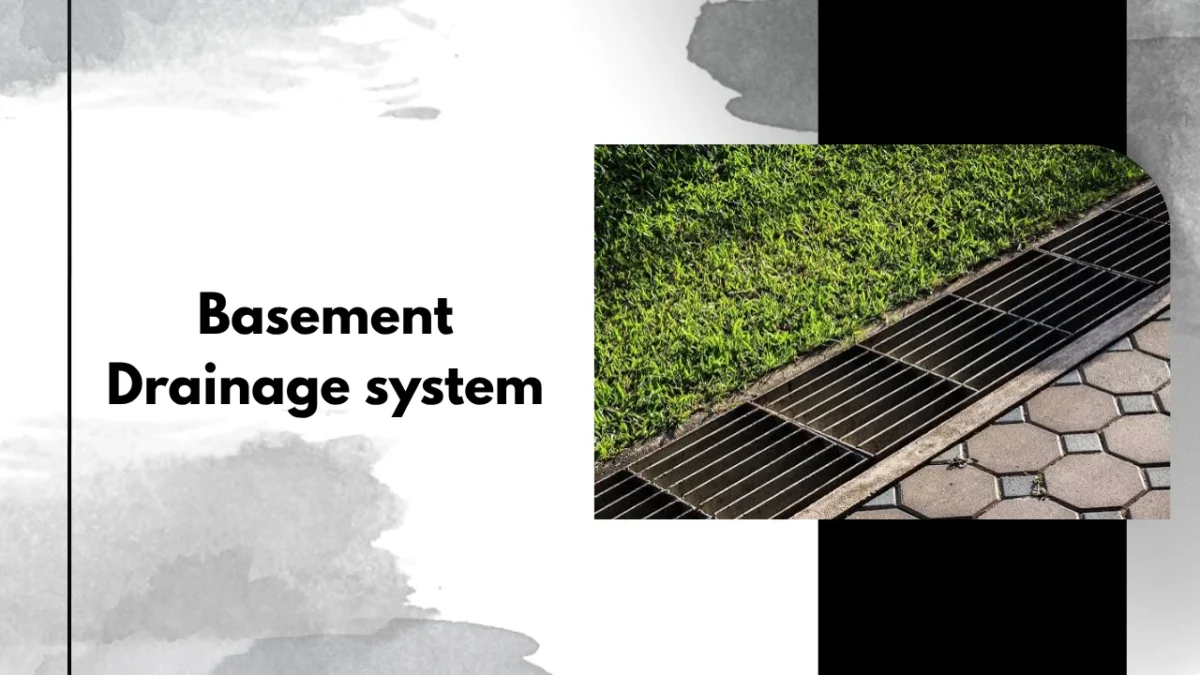
Hello guys, welcome back to my blog. Today I am going to talk about basement drainage system, because water in the basement is one of the most common problems homeowners deal with, specially every spring. If your basement floor gets damp along the wall joint, or water shows up every time it rains hard, this blog is for you.
A basement drainage system is not just one thing, it is actually a mix of methods. It can mean exterior work like grading and gutters, or it can mean interior work like perimeter drains and sump pumps. I went through a lot of real talk from homeowners on Reddit to bring you honest info on this, not just sales talk from a waterproofing company.
Quick Facts Table
Let me give you a quick table first, because I always like tables. It is easy to understand everything at one glance.
| Type of Basement Drainage System | Where It Works | Stops Water Before It Enters | Rough Cost |
|---|---|---|---|
| Grading and gutters | Outside, around the whole yard | Yes | $300–$1,500 |
| Exterior French drain | Outside, along the foundation | Yes | $10,000+ for a full dig |
| Interior perimeter drain | Inside, along the basement floor | No, manages water after entry | $8,000–$22,000+ |
| Sump pump | Inside, in a pit near the drain | No, it just removes collected water | $600–$3,000 installed |
Fix the Outside First, That Is What Reddit Says
Before you spend a lot of money on a basement drainage system, I think it is smart to know what people who actually fixed a wet basement say first. Most of them agree, start outside, not inside.
It is always better to seal a basement from the outside versus letting the water enter your home and then trying to control it, one Redditor explained on r/HomeImprovement, and honestly I agree with this completely. Water is always cheaper and easier to stop before it reaches your wall then after.
Grading is usually the very first thing people check. A proper gutter system that moves water away, sloping the grade away from the house to divert it, one homeowner shared on r/DIY, and I think this is honestly the cheapest fix on this whole list. If your yard already slopes the wrong way, water will keep finding its way back to your foundation no matter what else you do.
Gutters and downspouts matter more then people realize too. If you don’t have downspout extensions then that’s the issue guaranteed, so many people just dump the water next to the foundation, one Redditor pointed out on r/HomeImprovement. I really think this is the most overlooked part of any basement drainage system, a clogged gutter or a short downspout can undo everything else you do.
If the problem is bigger then just grading and gutters, some homeowners go further. The best solution involves exterior French drains and additional sump pump backup, one Redditor advised on r/HomeImprovement, for more severe water issues. This is a bigger job for sure, digging around your whole foundation is not cheap or easy, but it does tackle water at the actual source.
For a full walkthrough of grading, gutters, and exterior waterproofing done right, Bob Vila has a good explainer on basement drains and how they work that covers both the outside and inside options side by side.
Interior Drainage: The Backup Plan
If your yard is small, or exterior work is just not possible for your budget, an interior basement drainage system is the next best option. It does not stop water at the wall, but it manages what gets in so your floor stays dry.
An interior drainage system does this by digging a little trench around the interior perimeter of your basement, which then feeds into a sump pit, keeping the level of water just below the basement floor. One Redditor on r/homeowners said their friends installed this exact setup and are very happy, calling it money well spent. I think that is a good sign, real people actually happy with the result, not just a company’s sales page.
How the drain sits under your slab actually matters too. Some proprietary systems sit on top of the footer, which is not ideal. I don’t like it when a system sits on top of the footer, where the 4 inch of slab normally sits, one homeowner explained on r/HomeImprovement, since perforated piping fully below the slab tends to drain better over time.
One thing to keep in mind, an interior system is a management tool, not a total fix. Interior drains won’t stop the water from getting into your walls but they’ll definitely help with flooding, one Redditor said plainly on r/HomeImprovement. If you ask me, this is the most honest way to think about an interior basement drainage system, it manages the symptom, it don’t cure the cause.
Family Handyman has a solid step by step on this exact process, called drain tile installation for a wet basement, and I think it is worth a read if you want to understand what your contractor is actually doing under your floor.
Cost of a Basement Drainage System
Cost is always the big question, so here is a simple table based on real numbers homeowners shared, plus some general guide numbers.
| Job Details | Cost Reported | Source |
|---|---|---|
| Full interior system, done in 3 days | About $10,000 | Homeowner on r/homeowners |
| Same job, two different quotes | $22,000 vs $32,000 | Homeowner on r/HomeImprovement |
| National average, basement drain install | Varies by linear foot and region | Angi cost data |
| Sump pump alone, installed | $600–$3,000 | Angi and Forbes Home data |
Prices really do swing a lot between companies for basically the same work. Quotes differ by $8K though both proposed the same interior drainage system, as opposed to an exterior system, one Redditor shared on r/HomeImprovement. This is exactly why I always tell people, get at least two or three quotes before you sign anything.
For a national breakdown by linear foot, Angi’s basement drain installation cost guide is a good starting point, and their separate sump pump installation cost guide breaks down pit size, pump type, and battery backup pricing too. Forbes Home also has a solid sump pump cost breakdown if you want a second set of numbers to compare against.
DIY or Call a Professional?
A lot of people ask me if they can install a basement drainage system themselves, and honestly the answer depends on how big the job is.
Simple stuff like adding downspout extensions or regrading a small section, you can do that yourself over a weekend. But full trenching and sump pump work is a bigger job. It’s also something you can do yourself, it’s work, if money is tight, one Redditor admitted on r/HomeImprovement, but most people still hire it out because breaking concrete and running new drain lines is heavy labor.
If you do hire someone, warranty matters a lot. Make sure they include a warranty that actually means something, and check that replacement parts will still be available years later, since some proprietary systems become hard to service once the company changes their design. I think this one point alone can save you a big headache five years down the line.
Moisture, Mold, and Why This Matters for Your Health
A wet basement is not just a property problem, it is a health problem too. Standing moisture and damp walls create the perfect condition for mold to grow, and mold spores don’t stay in the basement, they travel through your whole house.
The EPA’s mold course on moisture and prevention explains why controlling moisture is really the only long term way to prevent mold, since mold can’t grow without a water source. I think this is a good reminder that a basement drainage system is protecting your air quality too, not just your floor and walls.
FEMA also has a helpful, low cost brochure called Protect Your Home from Flooding, which covers simple DIY steps like grading, gutter extensions, and window well covers that any homeowner can do before calling a contractor. I think this is a great first step for anyone on a tight budget.
Nationwide, the insurance company, also has a practical list of tips to prevent basement flooding that lines up with almost everything the Redditors said too, grading, gutters, and checking your sump pump before the rainy season hits.
Maintenance Tips for Your Basement Drainage System
Whatever type of basement drainage system you end up with, don’t install it and forget about it.
Check your sump pump before every rainy season, test the battery backup, and clean out the pit at least once a year. Also walk around your yard after a big storm and see where water is actually pooling, because grading can shift over time and a spot that used to drain fine can stop working after a few years.
Clean your gutters twice a year too, specially in fall when leaves clog them up fast. This one habit alone, honestly, prevents a huge chunk of basement water problems before they even start.
FAQ on Basement Drainage Systems
Q1: What is a basement drainage system? It is any setup, exterior or interior, that moves water away from your basement. This usually means grading and gutters outside, or a perimeter drain and sump pump inside.
Q2: Should I fix the outside or the inside first? Most Redditors and experts agree, fix the outside first if you can. Grading and gutters are cheaper, and they stop water before it ever reaches your wall.
Q3: How much does a basement drainage system cost? Based on real numbers, interior systems usually run $8,000 to $32,000 depending on size and company, while grading and gutter fixes can cost under $1,500.
Q4: Do I need a sump pump for a basement drainage system? If you go with an interior system, yes, almost always. The sump pump is what actually removes the water the drain collects.
Q5: Can I install a basement drainage system myself? Small fixes like downspout extensions, yes. Full interior trenching with a sump pump is heavy work, and most homeowners hire a professional for that part.
Final Words
So guys, this was my simple guide on basement drainage system for a dry home. I have tried to cover exterior fixes like grading and gutters, interior perimeter drains and sump pumps, real cost numbers, and honest tips straight from homeowners on Reddit. None of this is very hard to understand once you break it down, you just have to figure out which method fits your house and your budget. Keep on visiting my blog for more simple home tips like this.
Sources
- All You Need to Know About Basement Drains – Bob Vila
- Solve Water Issues by Installing Drain Tile in the Basement – Family Handyman
- Basement Drain Installation Cost Guide – Angi
- Sump Pump Installation Cost Guide – Angi
- Sump Pump Installation Cost – Forbes Home
- Mold Course Chapter 9: Moisture and Mold Prevention – US EPA
- Protect Your Home from Flooding Brochure – FEMA
- 5 Tips to Help Prevent Basement Flooding – Nationwide
- r/DIY – on sloping the grade away from the house
- r/HomeImprovement – on missing downspout extensions
- r/HomeImprovement – on exterior French drains for severe issues
- r/homeowners – on a friend’s happy interior perimeter drain install
- r/HomeImprovement – on drain placement below the slab
- r/HomeImprovement – on interior drains managing, not preventing, water
- r/HomeImprovement – on getting very different quotes for the same job
- r/HomeImprovement – on DIY being possible if money is tight