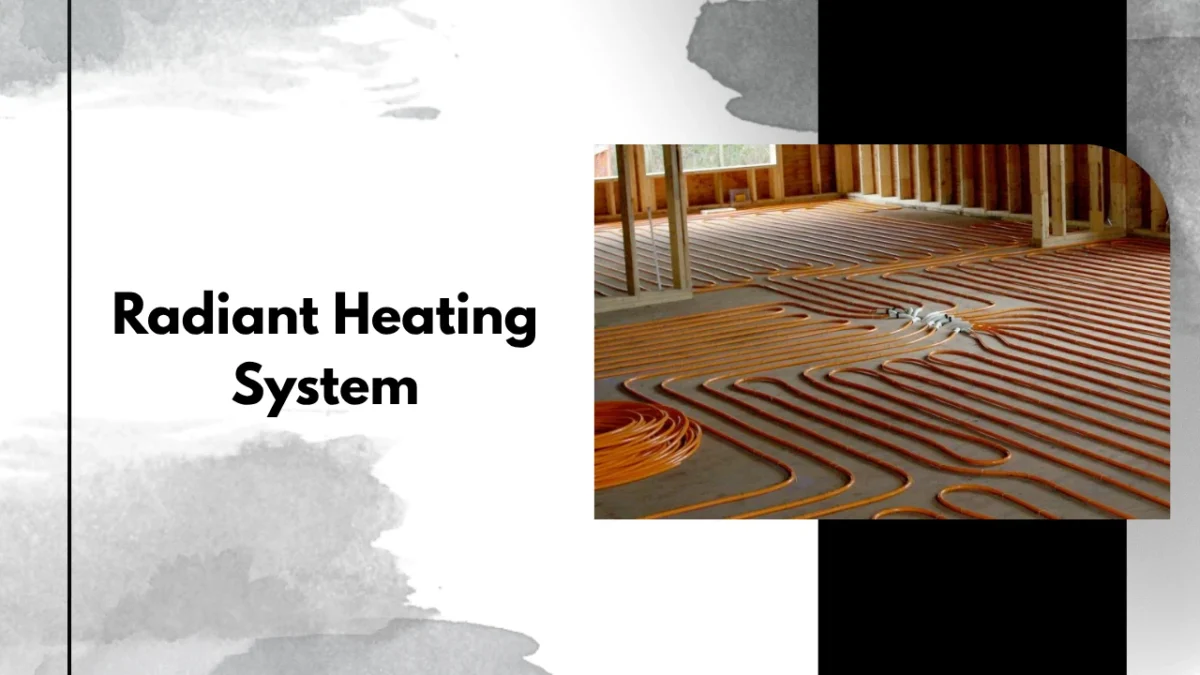
Hello guys, welcome back to my blog. Today I am going to talk about the radiant heating system, because so many of my readers keep asking me if it is really better then normal forced air heating. A radiant heating system warms your home by heating the floor, wall or ceiling directly, instead of blowing hot air around through ducts, and honestly I think it is one of the most comfortable ways to heat a house.
I have spent a lot of time reading real homeowner experiences online, specially on Reddit, and I want to share what they say about a radiant heating system along with some hard facts. So let’s get into it.
Quick Facts Table
Before anything else, let me give you a small table so you get the basic picture fast. I always like tables, it makes things clear at one glance.
| Thing | Hydronic (Water-Based) Radiant Heat | Electric Radiant Heat |
|---|---|---|
| How it works | Heated water runs through PEX tubing under the floor | Electric cables or mats heat the floor directly |
| Best for | Whole house heating, new construction | Small rooms, bathrooms, kitchen remodels |
| Running cost | Usually cheaper to operate long term | Can be more expensive to run daily |
| Install cost | Higher, needs a boiler and tubing | Lower for small areas |
| Lifespan | PEX tubing can last decades, boiler 20-40 years | Cables generally last 15-25 years |
How Does a Radiant Heating System Work?
A radiant heating system, in very simple words, warms objects and people in a room directly instead of just heating the air. The U.S. Department of Energy explains this well in their guide on radiant heating basics, and they say the heat comes from a hot surface, like a floor, wall or ceiling panel, that radiates warmth into the room.
There are two main type, and I think this part confuses a lot of people. First is hydronic radiant heat, where a boiler heats water and that water flows through tubing under your floor. Second is electric radiant heat, where cables or mats installed under the floor heat up directly using electricity. This Old House has a good breakdown on why it’s worth investing in radiant floor heating, and I think it is a fair read if you are still deciding.
Electric vs Hydronic: Which One Should You Pick?
This is probably the biggest decision you make with a radiant heating system, so let me break it down simple.
Electric radiant heat is easier and cheaper to install in a small space, like a bathroom floor or a kitchen remodel. But it can cost more to run every day if you use it for a whole house. Hydronic systems cost more upfront because you need a boiler, pump and tubing running through the whole house, but they are usually cheaper to run over time, specially in cold climates. Family Handyman has a detailed comparison on electric vs hydronic radiant floor heating systems that I think explains this very well.
If you ask me, for one or two rooms go electric, but for a whole new build or a big renovation, hydronic makes more sense financially.
What Homeowners on Reddit Say: The Good Side
I like reading Reddit threads because real homeowners tell you things that brochures never will, and radiant heat has a lot of fans there.
One person who installed it themselves said it is the best heating system ever, because everything is the same temperature with no drafts, it’s not hotter upstairs, just the same even temperature everywhere on r/Homebuilding. I think this comfort part is honestly the biggest selling point of the whole system.
Another Redditor on r/TorontoRealEstate pointed out the allergy benefit, saying hot water heating does not dry up house or circulate allergens, because there is no forced air blowing dust around. This is a big deal for anyone in the house who has allergies or asthma.
On the cost side, one homeowner mentioned that radiators and boilers are also less maintenance and last longer, so if your main concern is cost of operation, stick with the rads, also on r/TorontoRealEstate. I really like hearing this from real people, not just companies trying to sell you something.
The Drawbacks Nobody Talks About Enough
But a radiant heating system is not perfect, and I think it is only fair to tell you the drawbacks too.
The biggest one, in my opinion, is no built in air conditioning. One person on r/hvacadvice explained it clearly, saying it can’t provide AC obviously and most Americans want that, so your options are adding ductwork or adding ductless heat pumps. So you need a separate cooling plan, which adds to your total cost.
Second, radiant systems are slow. A Redditor on the same thread said it’s also slow to temperature adjustments, specially with concrete floors, because they hold heat for a long time before changing.
Third, repairs can hit your wallet hard if something goes wrong. Someone warned that boiler radiant heat is great, until it isn’t, parts and repairs are expensive, and it’s specially bad if you live somewhere that gets below freezing. Angi also has real numbers on this in their guide to radiant heating repair costs, so it is worth a look before you commit.
How Much Does a Radiant Heating System Cost?
Cost is always the first question people ask me, and honestly, it depends a lot on your home size and the type you pick.
Bob Vila has a very detailed article on radiant floor heating cost, breaking down price by square foot for both electric and hydronic setups. Forbes Home also asks the bigger question in their piece on whether radiant floor heating is worth it, and they say it really depends on your climate and how long you plan to stay in the home.
Here is something interesting though. One Redditor mentioned that radiant heating is actually very easy to install yourself, and that can turn a $29k quote into only $5-11k if you do the labor part on your own. I would only try this if you are really handy, but it shows how much of the cost is just labor.
Installation and How Long It Lasts
If you are building new or doing a big renovation, installing a radiant heating system properly matters a lot for how long it lasts. This Old House has a solid guide on choosing and installing radiant floor heating systems, and I think it is a good starting point before you talk to a contractor.
The good news is, the tubing itself lasts a very long time. One person on r/homeowners said the in-floor lines can last many decades as long as the floor is stable. But the boiler is a different story. Another Redditor on the same thread pointed out that boiler lifespan is about 30 years, so it’s nearing replacement age after a few decades of use. So when you budget, remember the boiler will need replacing before the tubing does.
FAQ on Radiant Heating System
Q1: Is a radiant heating system worth it? In my opinion, yes if comfort and even heat matter to you, and you plan to stay in the home long term. The upfront cost is high but it pays off in comfort every day.
Q2: Does a radiant heating system cool the house too? No, it only heats. You will need a separate cooling system like ductwork or ductless mini-splits for AC.
Q3: How long does a radiant heating system last? The tubing under your floor can last decades, but the boiler usually needs replacing after around 20-40 years.
Q4: Is electric or hydronic radiant heat better? It depends on your project. Electric is good for small rooms, hydronic is better for whole house heating in cold climates.
Q5: Can I install a radiant heating system myself? Some parts, yes, specially if you are handy. But I always say get a professional to check the design and connections, specially the boiler part.
Final Words
So guys, this was my simple guide on the radiant heating system. I tried to cover how it works, electric vs hydronic, cost, lifespan, and what real homeowners on Reddit are actually saying about it, good and bad both. If you ask me, it is one of the most comfortable ways to heat a home, but you have to plan for the cooling side and the cost separately. Keep on visiting my blog for more simple home tips like this.
Sources
- Radiant Heating – Department of Energy
- Why It’s Worth Investing in a Radiant Floor Heating System – This Old House
- Electric vs. Hydronic Radiant Floor Heating Systems – Family Handyman
- Is Radiant Floor Heating Worth It? – Forbes Home
- Radiant Floor Heating Cost: What to Expect – Bob Vila
- How Much Does Radiant Heating Repair Cost? – Angi
- Choosing and Installing Radiant Floor Heating Systems – This Old House
- r/Homebuilding – on comfort with no drafts, DIY radiant install
- r/Homebuilding – on DIY install cutting cost from $29k to $5-11k
- r/TorontoRealEstate – on hydronic heat not circulating allergens
- r/TorontoRealEstate – on lower maintenance and running cost
- r/hvacadvice – on radiant heat not providing AC
- r/hvacadvice – on slow temperature adjustment
- r/hvacadvice – on expensive boiler repairs
- r/homeowners – on PEX tubing lasting decades
- r/homeowners – on boiler lifespan of about 30 years