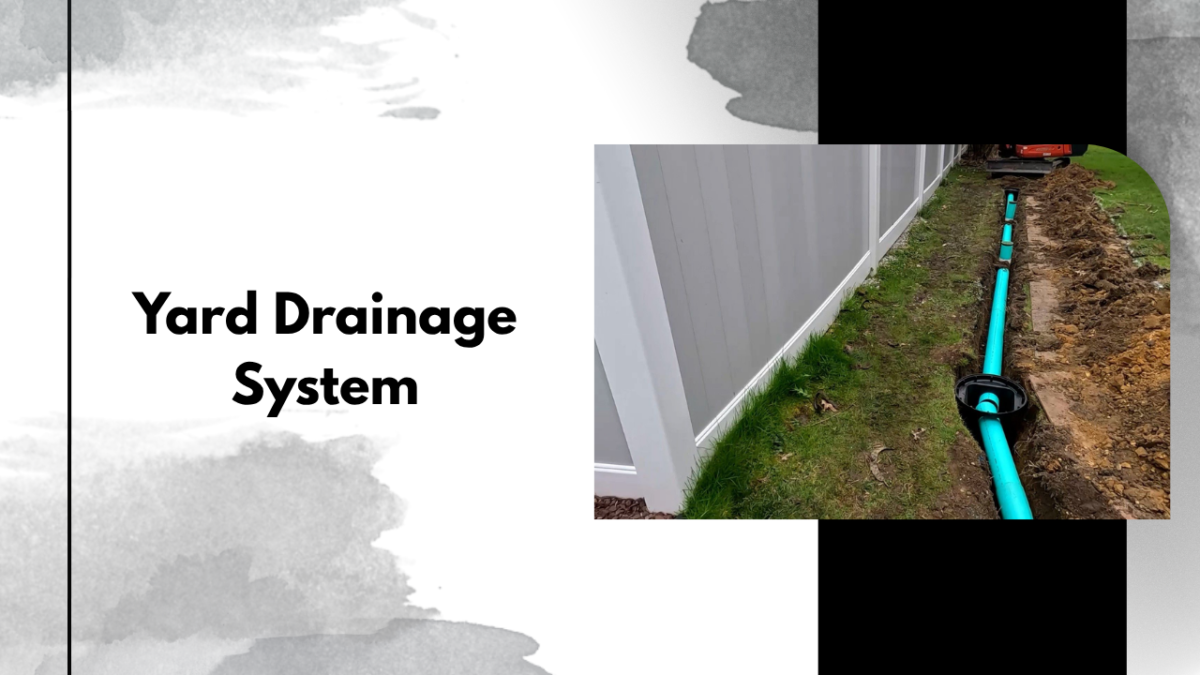
Hello guys, welcome back to my blog. Today I am going to talk about yard drainage system, because so many homeowners deal with a soggy yard or water pooling near the house and don’t really know where to start. If your grass stays wet for days after it rains, or water keeps creeping toward your foundation, this blog is for you.
A yard drainage system is basically any setup that moves rain water away from your house and yard instead of letting it just sit there. It could be a French drain, a dry well, a rain garden, or simply grading your yard the right way. I went through a lot of real talk from homeowners on Reddit to bring you honest info on this, not just sales talk from a landscaping company.
Quick Facts Table
Let me give you a quick table first, because I always like tables. It is easy to understand everything at one glance.
| Method | What It Does | Best For | Rough Cost |
|---|---|---|---|
| French Drain | Moves water underground to a discharge point | Soggy soil, water near foundation | $10–$35 per linear ft |
| Dry Well | Lets water soak slowly into the ground | Downspout water, small wet spots | $1,000–$4,000 total |
| Yard Grading | Slopes the ground away from your house | Fixing the problem at the source | $300–$1,000 site prep |
| Rain Garden | Native plants soak up pooling water | Low spots, natural looking fix | Cheap, mostly DIY |
| Catch Basin | Collects surface water and sends it into a pipe | Low spots, patios, driveways | $600–$2,000 total |
What Redditors Say First: Fix the Source
Before you spend money on any yard drainage system, I think it is worth knowing what people who actually deal with this problem say first. A lot of them agree grading is where you should start.
Regrade so it slopes away from house, one Redditor wrote, adding that standing water sitting near the foundation is not good for the foundation, r/landscaping. I really agree with this, because if your yard already slopes away from the house, you may not even need a bigger yard drainage system at all.
But if the water problem is bigger, some Redditors say don’t try to guess your way through it. This is serious water, you need to hire a licensed landscape architect or civil engineer well versed in grading and drainage, one person advised, r/landscaping. I think this is smart advice, specially if water is pooling close to your house every time it rains hard.
French Drains: The Go-To Yard Drainage System
If you ask ten people about yard drainage, most of them will mention a French drain first. It is honestly the most popular fix out there, and for good reason.
A French drain is basically a trench filled with gravel and a perforated pipe that carries water below the surface to a safe discharge point. But it don’t do everything. French drains are best for desaturating soils, not really for catching rain runoff on the surface, one Redditor explained on r/DIYHome, and this person also suggested pairing it with surface pipes and a catch basin in any low spot so water drains into it and moves along smoothly. I think this combo approach is honestly the smartest way to think about yard drainage, because one method rarely solves everything on its own.
If you want the full step by step on installing one yourself, This Old House has a solid French drain installation guide that walks through digging the trench and laying the pipe correctly.
Dry Wells for Downspout Water
Downspouts dump a lot of water in one spot, and this is usually where yards get the muddiest. A dry well is a simple, low cost fix for exactly this problem.
Have you considered a drywell for that spot, one Redditor asked another homeowner dealing with a wet patch near their gutter, r/DIYHome. A dry well is basically a buried gravel filled pit that lets concentrated water soak into the ground slowly instead of pooling on top. If you ask me, this is one of the cheapest upgrades you can add to an existing yard drainage system, specially near a downspout.
For homeowners who want DIY material ideas and more ways to handle standing water, Home Depot has a helpful yard drainage problems and solutions guide that covers a bunch of easy options side by side.
Rain Gardens: A Pretty Fix for Pooling Water
Not every drainage fix has to look like a construction project. Rain gardens are a good option if you want something that also looks nice in your yard.
As a secondary option, install a rain garden in the exact spot where water pools, one Redditor suggested, adding it could be fun, beautiful, and importantly very cheap, r/landscaping. I think this is a great tip for anyone who has a low spot that just never dries out. You plant deep rooted native plants there, and they soak up the extra water while also looking good.
If you want to know which plants actually work best for this, University of Maine Cooperative Extension has a good guide on adding a rain garden to your landscape, and the EPA also has a simple explainer on how rain gardens work and why they help so much with runoff.
Know the Rules Before You Dig
Here is something a lot of homeowners forget about, yard drainage is not always just your own business, specially if water ends up on your neighbor’s property.
Before you do anything that affects the water going from your property to another person’s property, make sure you take a good look at all applicable rules for your area, because some areas have very strict rules about water moving from one property to another, one Redditor warned, r/lawncare. I think this is one of the most important tips in this whole blog, honestly, because a good yard drainage system can still get you in trouble if it dumps water where it don’t belong.
This can also work the other way around, if your neighbor’s system is the one causing you problems. Possible code violation, one Redditor pointed out, explaining that in many municipalities it’s not permitted to direct runoff to an adjacent property, r/landscaping. FindLaw has a clear breakdown of this topic in their guide on water damage and neighbor disputes, which I think is worth a read before you talk to a neighbor about a shared water problem.
When to Call a Professional
I always tell people, a DIY yard drainage system is fine for small stuff, but bigger water problems usually need more then a weekend project.
Contact a few local drainage companies to get some quotes, one Redditor advised, also recommending watching a French drain expert’s videos so you can have a productive conversation with these companies about a mitigation plan, r/lawncare. This is really good advice if you ask me, because knowing the basics before you call someone means you won’t get talked into something you don’t actually need.
Cost of a Yard Drainage System
Cost is always the big question, so here is a simple table based on Angi’s national data for landscape drainage projects.
| Yard Drainage System | Cost Range |
|---|---|
| French drain | $2,000 – $7,000 total |
| Dry well | $1,000 – $4,000 total |
| Catch basin | $600 – $2,000 total |
| Swale | $800 – $3,000 total |
| Small yard (under 500 sq ft) | $800 – $2,000 |
| Large yard (over 2,000 sq ft) | $5,000 – $12,000 |
Overall, most homeowners pay somewhere between $2,147 and $7,171 for a full yard drainage system, based on Angi’s yard drainage cost guide. If you go with just a French drain by itself, HomeGuide’s French drain cost breakdown shows exterior yard drains usually run $10 to $35 per linear foot, which is a lot cheaper then an interior basement version.
I think it is always smart to get two or three quotes before you pick a company, since prices can swing a lot depending on where you live and how bad the water problem actually is.
FAQ on Yard Drainage Systems
Q1: What is the cheapest yard drainage system? Yard grading is usually the cheapest fix, since it just moves soil that is already there. A dry well is also pretty low cost for smaller wet spots.
Q2: Do I need a French drain or a dry well? A French drain moves water to a discharge point far from your house, a dry well just lets water soak into the ground on the spot. A lot of people use both together for a full yard drainage system.
Q3: How much does a yard drainage system cost? Based on real numbers, most homeowners pay between $2,147 and $7,171 for a full system, but a small dry well alone can cost as little as $1,000.
Q4: Can I get in trouble for directing water onto my neighbor’s yard? Yes, many areas have strict rules about this. Always check local regulations before installing a yard drainage system that changes where water flows off your property.
Q5: Is a rain garden a real yard drainage system? Yes, it is a natural option that uses plants to soak up standing water. It works best for smaller low spots, not big water problems near your foundation.
Final Words
So guys, this was my simple guide on yard drainage system for a soggy backyard. I have tried to cover French drains, dry wells, rain gardens, grading, real cost numbers and honest tips from homeowners on Reddit. None of this is very hard to understand once you break it down, you just have to figure out which method fits your yard and your budget. Keep on visiting my blog for more simple home tips like this.
Sources
- Backyard Drainage Solutions – This Old House
- Yard Drainage Problems and Solutions – Home Depot
- Adding a Rain Garden to Your Landscape – University of Maine Cooperative Extension
- Soak Up the Rain: Rain Gardens – US EPA
- Water Damage and Neighbor Disputes – FindLaw
- How Much Does Yard Drainage Cost? – Angi
- How Much Does a French Drain Cost? – HomeGuide
- r/landscaping – on regrading to slope water away from the house
- r/landscaping – on hiring a licensed engineer for serious water problems
- r/DIYHome – on French drains being best for desaturating soil
- r/DIYHome – on using a dry well for concentrated water
- r/landscaping – on rain gardens as a cheap secondary fix
- r/lawncare – on checking local rules before changing water flow
- r/landscaping – on code violations for directing runoff to a neighbor
- r/lawncare – on getting multiple quotes from drainage companies