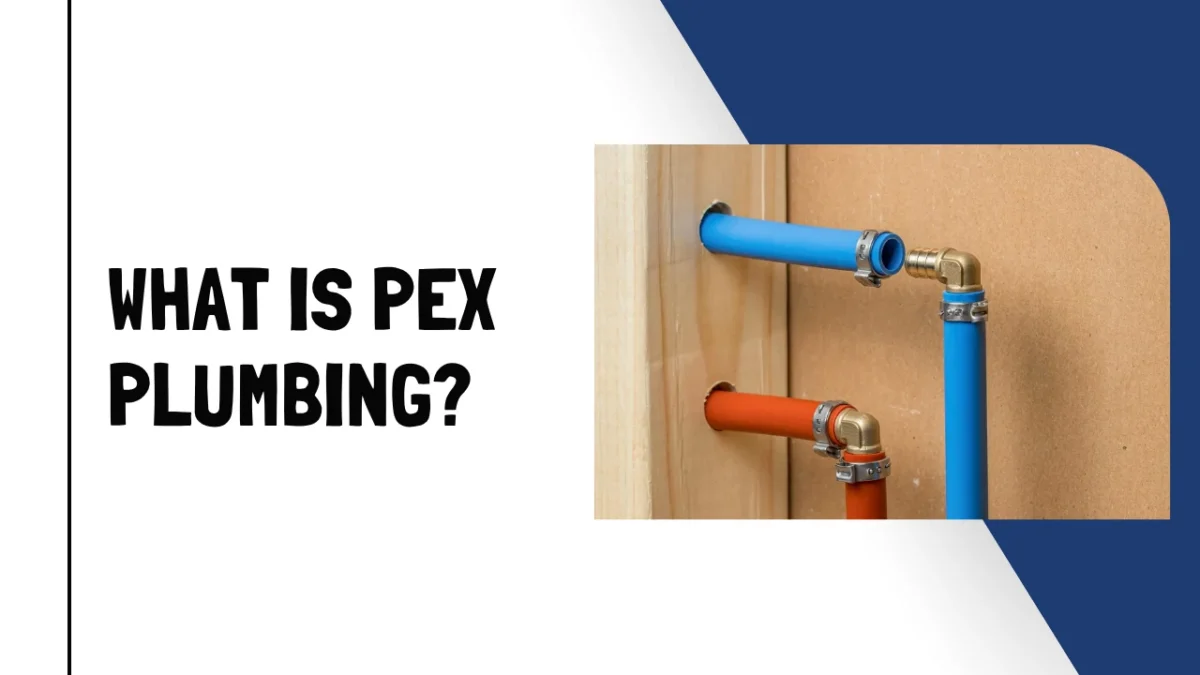
If you are new in plumbing or planning a plumbing project, remodelling your own house or building a new house, you might have heard the term PEX plumbing. This type of plumbing is becoming common and alternative to the old traditional copper and PVC plumbing. It is because of its flexibility, durability and relatively easy installation process.
But what exactly is PEX plumbing? How does it work? And is it the right choice for your home?
You might have this question in your mind! And therefore today we will explain what is PEX plumbing, advantages and disadvantages, types of Pex and more..
What Is PEX Plumbing?
PEX plumbing is nothing but just a plumbing system that uses cross-linked polyethylene (PEX) pipes to transport water throughout the building. PEX is a flexible plastic material commonly used for hot and cold water supply.
Unlike the copper or PVC pipes, PEX tubing can bend around corners and obstacles, and that makes it easier to install in walls, ceilings, floors, and other tight spaces.
PEX plumbing systems requires a special fittings and connectors to join the pipes together. Depending on the installation process, plumbers can also use crimp rings, clamp rings, push-fit fittings, or expansion fittings.
Because of its flexibility and relatively simple installation process, PEX has become widely used in household plumbing projects.
How Does PEX Plumbing Work?
PEX plumbing works just like same way as other water supply systems. Water enters the home through the main water line and then it is distributed to different fixtures, such as:
- Kitchen sinks
- Bathroom sinks
- Showers
- Bathtubs
- Toilets
- Washing machines
- Dishwashers
- Outdoor faucets
PEX pipes carry water from the main supply to these fixtures. The tubing is connected using fittings that create secure, watertight connections.
There is a popular installation method called a “PEX manifold system”. In this setup, a central manifold distributes hot and cold water to individual fixtures using separate PEX lines. Now this can make it a lot easier to control water flow and shut off individual fixtures when maintenance is needed.
Types of PEX Plumbing
There are mainly three types of PEX tubing: PEX-A, PEX-B, and PEX-C. The main difference between them is the manufacturing process used to cross-link the polyethylene.
PEX-A
PEX-A is made by using the Engel method. It is normally the most flexible type of PEX and has excellent resistance to kinking.
One benefit of PEX-A is that certain kinks can potentially be repaired using heat, depending on the manufacturer’s instructions. This is also used with expansion fittings.
PEX-B
PEX-B is made by using the silane method. It is mainly stiffer as compared to PEX-A but is widely used because it offers a good balance between performance and cost.
PEX-B is mostly installed using crimp or clamp-style connection systems.
PEX-C
PEX-C is made by using an irradiation process. It is typically stiffer than PEX-A and PEX-B both and may be more difficult to work with in tight spaces.
So, which one should you use?? The best type of PEX for a particular project depends on the plumbing design, local building codes, installation method, and the plumber’s preferences.
Advantages of PEX Plumbing
PEX has become popular for several reasons. Here are some of its main benefits.
1. Flexible and Easy to Install
One of the biggest advantages of PEX is its flexibility and this reason is enough for make people use it for their plumbing projects. The tubing can bend around corners, reducing the need for multiple elbows and connections.
This can make installation faster and easier, especially in areas with limited space. So, it saves you a lot of time too..
2. Fewer Connections
Because PEX can be bent instead of requiring a fitting at every turn, a plumbing system may require fewer connections than a rigid pipe system.
Fewer connections can potentially reduce the number of areas where leaks may occur. And can save a lot of money.
3. Resistant to Corrosion
Unlike other metal pipes like copper, PEX will never rust or corrode. And this makes it a useful option for many household water supply applications.
However, PEX can still sometimes be damaged by certain conditions and should be installed according to instructions and local plumbing codes.
4. Quieter Than Some Metal Pipes
PEX tubing can also absorb some of the noise caused by water movement and pressure changes. As a result, PEX plumbing may produce less water-flow noise as compared to some traditional rigid pipes.
5. Can Handle Freezing Better Than Rigid Pipes
Did you know? PEX can also expand to some extent when water inside the pipe freezes. This can make it more resistant to bursting than some rigid pipe.
But Remember!! PEX is not freeze-proof. Hence, frozen PEX pipes can still be damaged, especially at fittings and connections, so all the pipes should still be properly insulated and protected from freezing temperatures.
Disadvantages of PEX Plumbing
Although PEX has many advantages, it isn’t perfect for every situation just like we humans XD.
1. Can Be Damaged by UV Light
PEX should generally never be exposed to direct sunlight for extended periods as the Ultraviolet (UV) radiation can damage the material over time.
And for this reason, PEX should always be stored and installed according to the manufacturer’s UV exposure requirements.
2. Can Be Damaged by Certain Chemicals
Some chemicals & solvents may damage PEX tubing. Remember to check that all the products used around PEX are compatible with the pipe manufacturer’s specifications.
3. Not Suitable for Every Application
PEX is mainly used for water supply plumbing. And it is not automatically suitable for every plumbing application, such as certain types of outdoor or high-temperature installations.
4. Rodent Damage Is Possible
In some situations, rodents may chew through PEX tubing. This can be a concern in areas where rodents have access to exposed pipes. So, if you have any rodents, get rid of them first then think of PEX.
5. Fittings Must Be Installed Correctly
PEX itself is flexible and durable, but improperly installed fittings can lead to leaks sometimes. Using the correct tools, fittings, and installation techniques is essential.
PEX vs. Copper Plumbing
Copper has been used in plumbing systems for decades, while PEX is a newer alternative that has gained popularity in residential construction.
| Feature | PEX | Copper |
| Flexibility | Highly flexible | Rigid |
| Installation | Generally easier | Requires more specialized work |
| Corrosion | Does not rust or corrode like metal | Can corrode under certain conditions |
| Cost | Often less expensive to install | Can be more expensive |
| Noise | Generally quieter | Can produce more water-flow noise |
| UV Resistance | Limited | Excellent |
| Longevity | Long-lasting when properly installed | Long-lasting when properly installed |
The right choice depends on the project, budget, local regulations, and personal preference.
PEX vs. PVC Plumbing
PEX and PVC are both plastic-based plumbing materials, but both pipes are used for different purposes.
PEX is mainly used for hot and cold water supply lines, while PVC is widely used for drainage, waste, and vent systems and for certain cold-water applications.
PEX is flexible, whereas PVC is rigid and requires fittings to change direction.
Is PEX Plumbing Safe?
Do not worry!! PEX is widely used for potable water supply systems, but the specific tubing and fittings should be approved for the intended use and comply with applicable plumbing codes and standards.
If you’re installing PEX for drinking water, choose products that are certified for potable water use and follow local regulations.
It’s also important to use compatible fittings and follow the manufacturer’s installation instructions.
Final Thoughts
So, what is PEX plumbing? In simple words, PEX plumbing is a water supply system that uses flexible cross-linked polyethylene tubing to deliver hot and cold water throughout a home or building.
PEX has become popular because it is flexible, easy to install, and resistant to corrosion. While it has some limitations—such as sensitivity to prolonged UV exposure and the need for proper installation—it can be a reliable choice for many residential plumbing systems.
If you’re replacing old plumbing or building a new home, consider discussing PEX with a licensed plumber to determine whether it is suitable for your specific project and local building requirements.
Also Read:
When Was Indoor Plumbing Invented? A Complete History of Indoor Plumbing