I cannot even imagine a life without the plumbing.. I mean just imagine life with the simple turn of a faucet, we can get clean water, take showers and do a lot of things! But have you ever wondered when indoor plumbing was invented? Surprisingly the answer is more complicated than anyone could have thought.
The main idea to bring water into buildings happened thousands of years ago. Ancient civilisations made impressive water systems and modern indoor plumbing evolved gradually over the centuries. The plumbing system that we use today is just the result of innovations from ancient engineering and modern inventors!
So in this article we will be exploring when indoor plumbing was invented and how it developed through history..
When Was Indoor Plumbing Invented?
There is no single date when indoor plumbing was invented. Early forms of indoor plumbing existed as far back as 3000 BCE, while modern indoor plumbing systems developed primarily during the 19th and early 20th centuries.
The ancient civilizations of the Indus Valley, Egypt, Greece, and Rome created sophisticated systems for transporting and removing water. However, these systems were very different from the pressurized plumbing systems found in modern homes.
Modern indoor plumbing, including reliable running water, sewer systems, and flush toilets, began developing rapidly during the 1800s. By the early 1900s, indoor plumbing was becoming increasingly common in urban homes in developed countries.
The Earliest Evidence of Indoor Plumbing
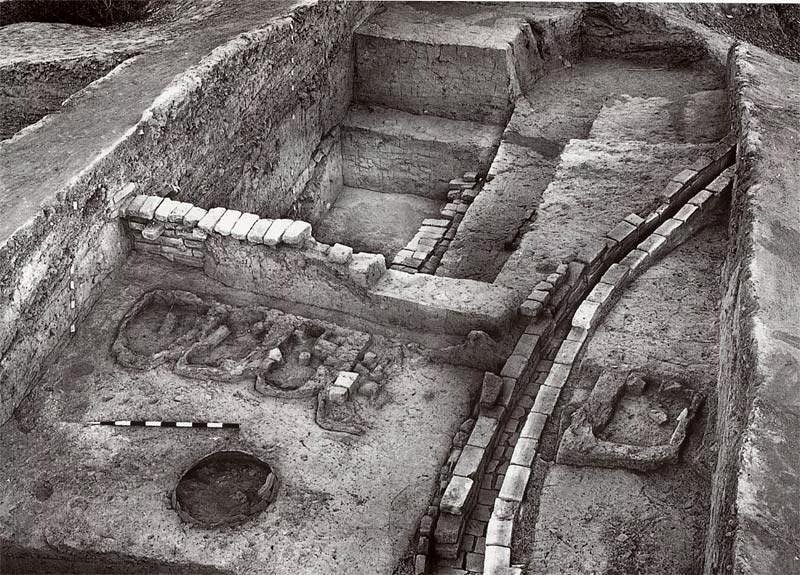
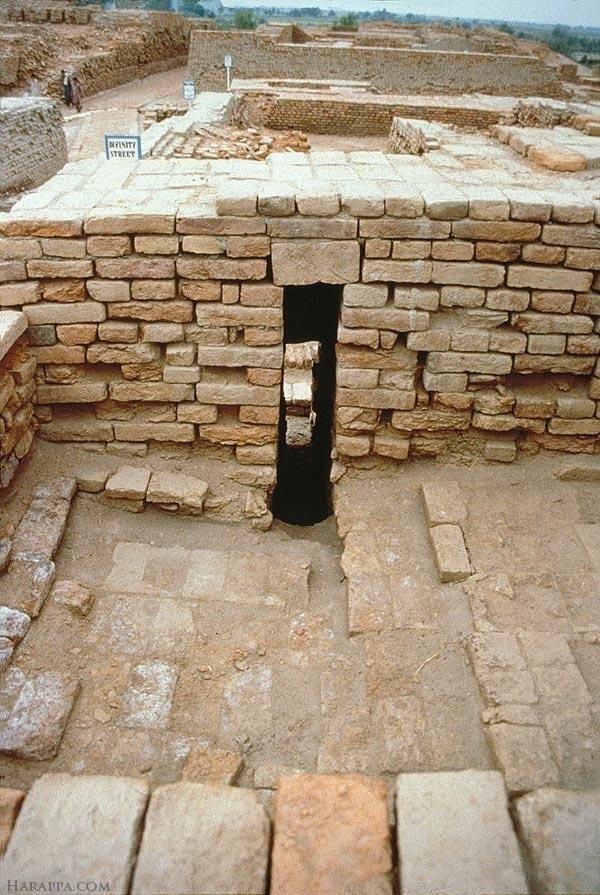
Some of the earliest known examples for plumbing is from the Indus valley civilization which existed thousand years ago in India and Pakistan.
Archaeological discoveries at cities such as Mohenjo Daro and Harappa reveal advanced drainage and sanitation systems. Many of the homes had access to water and featured bathing areas connection to calculus design drainage system
Plumbing in Ancient Rome
The Romans took plumbing technology to the next level, beginning around the 4th century BCE, they made extensive water infrastructure to supply cities with fresh water. The famous aqueducts transported water from afar to urban areas.
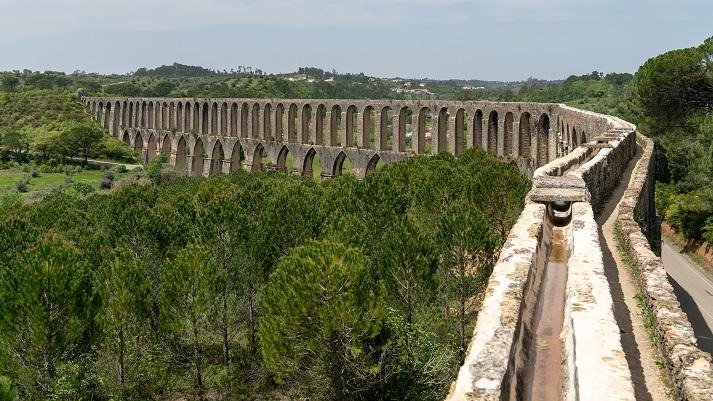
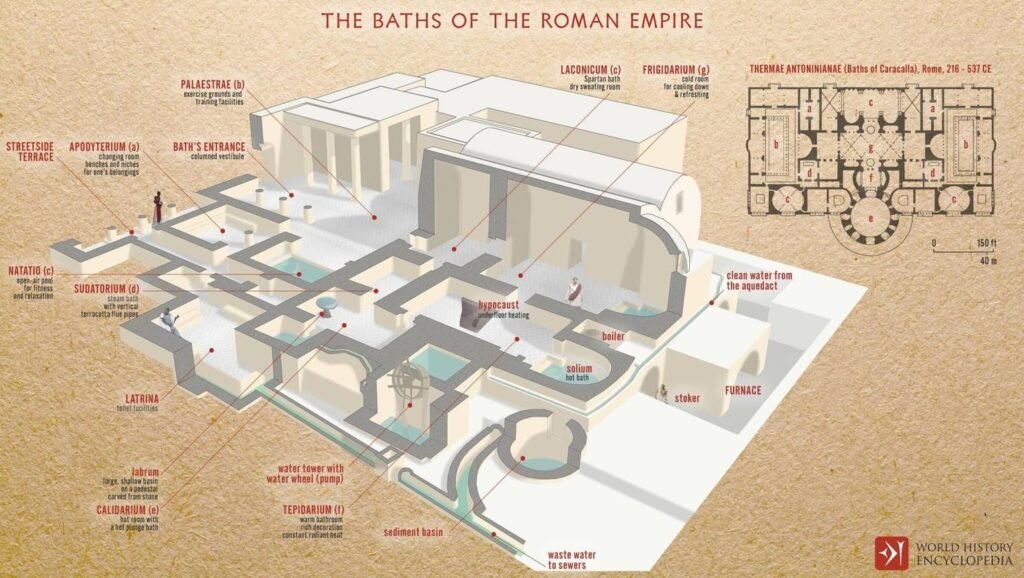
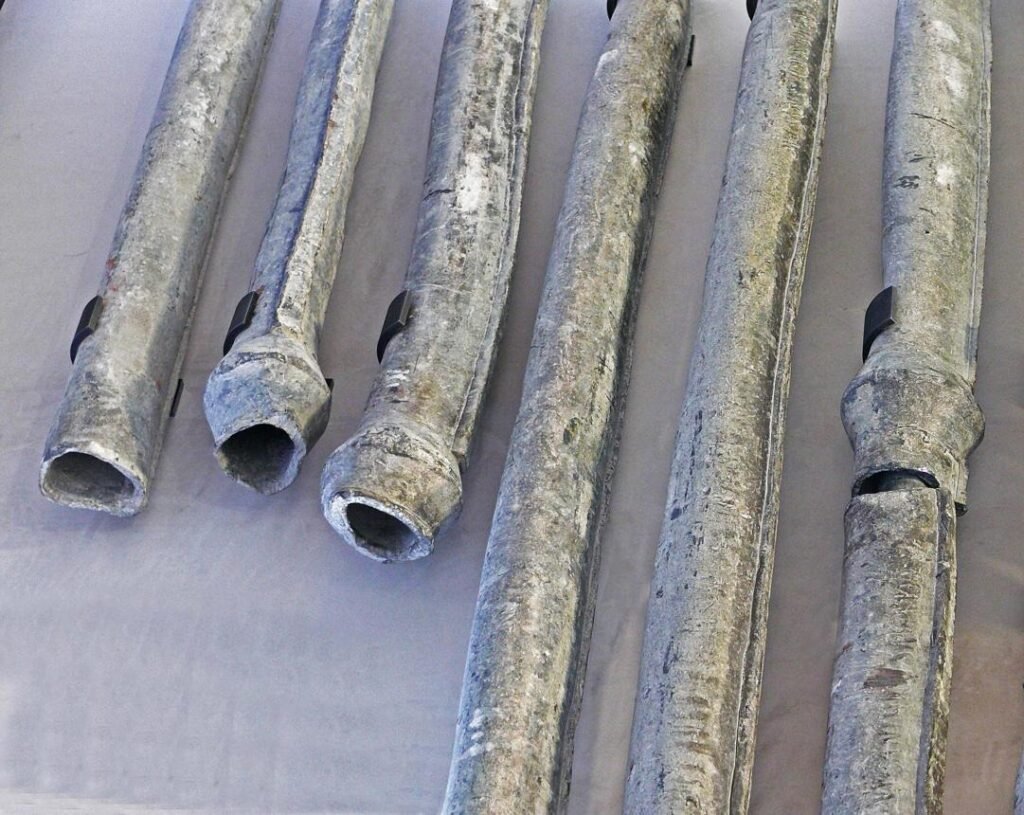
Roman cities had:
- Aqueducts
- Public baths
- Fountains
- Sewers
- Water storage systems
- Public toilets
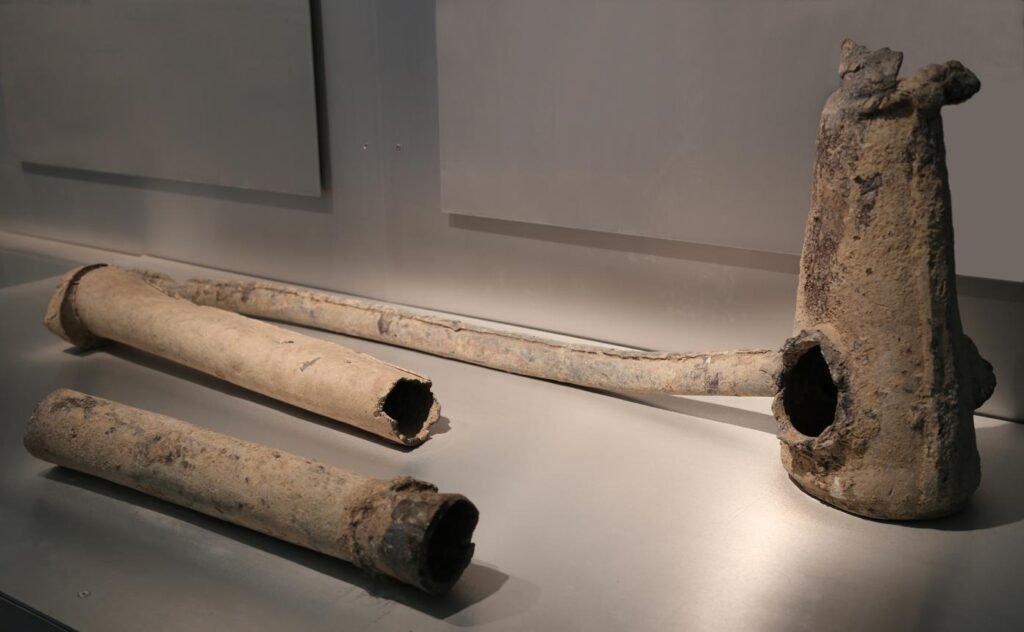
- Lead and clay pipes
The Cloaca Maxima, one of the world’s oldest sewer systems, helped drain waste and stormwater from parts of ancient Rome.
Did you know that Roman plumbing was not the same as the modern indoor plumbing. Water was not typically supplied to every private home through the pressurised network like what it is today. Much of the water infrastructure served public facilities, fountains, baths and wealthy households only.
Indoor Plumbing in the 19th Century
The 1800s was the major turning point for the entire plumbing industry. Industrialisation led to rapid population growth in cities. Sadly many urban areas like adequate sanitation and waste was often dumped into street rivers and poorly designed cesspools.
And this created serious public health problems.
During the 90th century cities began building large scale water and sewer systems. Engineers made better methods of supplying clean water and removing wastewater too. By the late 1800s, Indore bathrooms with toilets, sinks and running water were becoming increasingly common in rich homes and public buildings.
However, the axis was still limited; many working families and rural households continue to rely on outdoor toilets and wells.
When Did Indoor Plumbing Become Common in Homes?
In the US and other developed countries indoor plumbing became increasingly widespread during the early 20th century.. The exact timing varied significantly depending on the location, income and whether a home was in an urban or rural area.
Karbonn homes usually gain access to municipal water in sewer systems early then rural properties and by the middle of 20th century inter plumbing became standard in most newly constructed homes in developed countries.
US government service during the 1940s showed that a significant number of homes still left complete plumbing facilities over the following decades into plumbing becoming very much universal.
When Was Indoor Plumbing Invented in America?
There isn’t one specific year when indoor plumbing was invented in America. Instead, it developed gradually throughout the 19th century.
Large cities began developing municipal water and sewer systems during the 1800s. Indoor plumbing became more widespread in the late 19th century, particularly among middle- and upper-class households.
During the early 20th century, plumbing technology became more affordable and standardized. Plumbing codes and public health regulations also helped encourage the installation of safe water and wastewater systems.
By the middle of the 20th century, indoor plumbing had become a normal feature of most American homes.
A Simple Timeline of Indoor Plumbing
| Period | Major Development |
| Around 3000 BCE | Early drainage and water systems in the Indus Valley |
| Ancient Greece | Water channels and early sanitation systems |
| 4th century BCE onward | Roman aqueducts and advanced water infrastructure |
| 1596 | Sir John Harington designed an early flushing toilet |
| 1775 | Alexander Cumming patented an improved flush toilet design |
| 1800s | Modern municipal water and sewer systems expanded |
| Late 1800s | Indoor plumbing became more common in urban homes |
| Early 1900s | Plumbing technology became increasingly standardized |
| Mid-1900s | Indoor plumbing became common in most developed countries |
Final Thoughts
So now you don’t have to use the time machine because you have the approx time duration of when plumbing was invented. The best answer is that plumbing was not invented in a single year. Its history stretches back thousands of years and from ancient drainage systems into the Indus valley to Roman drainage and sewers.