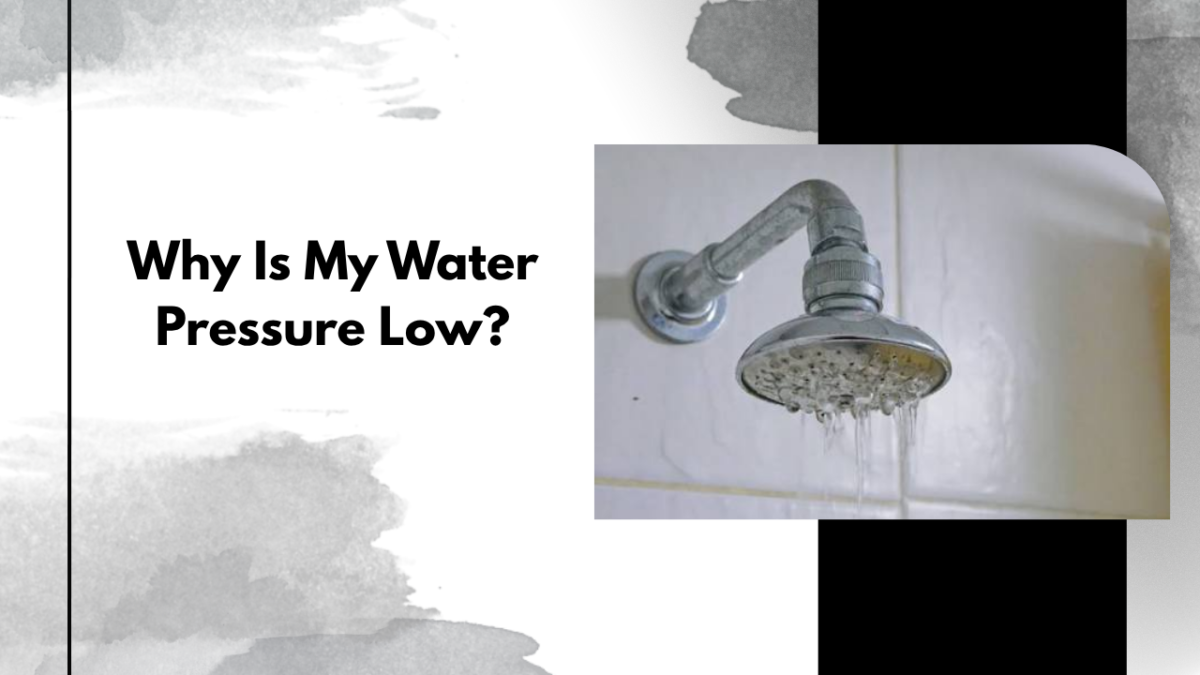
Hello guys, welcome back to my blog. Today I am going to talk about why is my water pressure low, because this is one question I get asked all the time by friends and neighbors. Weak water flow can come from few different reasons, and good news is most of them you can check yourself before calling anyone. I went through a lot of real homeowner experience shared online, mixed it with some trusted plumbing facts, and put it all together in simple words below.
Quick Facts Table
I like putting a small table first, so you get the full picture before reading the long stuff.
| Fact | Detail |
|---|---|
| Normal home water pressure | Usually between 40 and 60 psi is considered fine |
| First thing to check | Is it one fixture, or the whole house |
| Cheapest fix | Cleaning a clogged aerator or faucet screen |
| Most missed cause | A regulator or PRV set too low |
| Well water systems | Tank, pressure switch, or pump are usual suspects |
| Serious cause | Main line leak or corroded old pipes |
Step One: Check If It’s One Fixture or the Whole House
Before doing anything big, first thing I always tell people is to figure out where the problem is actually coming from. One faucet acting weak is a totally different issue than the whole house feeling weak.
Someone on r/homeowners explained this really well when a person asked is your water pressure weak in general like inside the house, or is it just the sprinkler. I think that’s the smartest first question, because if it’s just one fixture, you don’t need to worry about the whole plumbing system yet.
Measure the Actual Pressure, Don’t Just Guess
A lot of people just feel that pressure is low but never actually check the number. This is a mistake, if you ask me, because “feels low” and “is actually low” are two different things.
One comment on r/HomeImprovement gave a good simple method, saying first thing to do is call the city and ask them what the average water pressure is in your area, then get a gauge and attach it to a laundry tub faucet or a hose bib and get a reading. Gauges are cheap, and honestly every homeowner should keep one. According to the EPA’s technical guidance on service water pressure, most homes are designed to run fine somewhere in the normal 40 to 60 psi range, so once you have your number you can compare it against this and know for sure if you have a real problem.
Look for Leaks or a Wet Spot in the Yard
If pressure suddenly dropped and you didn’t change anything, a hidden leak is worth checking before anything else. This one is easy to miss because leaks in the yard don’t always look obvious right away.
One homeowner shared their story on r/HomeMaintenance about low water pressure in house and it turned out there was a wet spot outside that had started to pool up and raised the grass. I think this is a good reminder to just walk around your yard once in a while, it don’t cost anything and can save you a big repair bill later.
Clogged Aerators and Faucet Screens
If only one or two taps feel weak, the problem is probably sitting right at that fixture, not in your main line at all.
A comment on r/PlumbingRepair pointed out that the aerator under the spout may be clogged, and some fixtures also have filters where they connect to the water supply near the shutoff under the sink. This is such a small fix but people overlook it all the time. Just unscrew the tip, rinse it out, and screw it back on.
Partially Closed Valves or a Regulator Set Too Low
Sometimes the whole house feels weak, and here a shutoff valve not fully open, or a pressure regulator set low, could be the reason.
Another comment on r/homeowners gave a clear number to compare against, saying your pressure should be between 40 and 60 psi, and if it’s lower than 40 at your mainline you should talk to your utility company. This is basically why is my water pressure low in one line, if your number is under 40, something upstream needs attention.
Well Water Problems: Tank, Switch, or Pump
If you are on well water, the whole game changes a bit because there is no city supply, it’s all on your own equipment.
One person on r/homeowners summed it up honestly, saying it could be the pressure tank has failed, could be the pressure switch, or could even be the pump. All three parts work together, so one bad part can drag the whole system down. If you want a proper breakdown of how to check each one, Clean Water Store’s guide on well pressure switch troubleshooting walks through it nicely, and a comment on r/askaplumber even mentioned you should adjust the pressure switch as needed, and keep a new one handy in case it needs replacing.
Municipal Supply and Neighborhood Demand
Sometimes it’s not your house at all, it’s just how busy your area’s water system is at that moment.
A comment on r/HomeImprovement explained that water pressure will also drop with increased use of water in your neighborhood during certain seasons or times of the day. Makes sense if you think about it, everyone showering at same time in the morning is basically competing for the same supply. Tameson’s explainer on what causes water pressure to drop covers this peak-demand effect in a bit more detail too.
Corroded or Undersized Pipes
Old houses sometime have a hidden problem sitting inside the walls, and this one you can’t fix with a simple cleaning.
A comment on r/Plumbing was pretty direct, saying if you have galvanized supply lines, those eventually rust and corrode from the inside, and can choke off water flow. Repipe’s guide on why galvanized pipes corrode explains this happens slowly over years, so a house can go from fine to bad pressure without any single obvious event. I think this is the most annoying cause because fixing it usually means repiping, not just a quick part swap.
Main Line Breaks Can Steal Your Pressure
A break in your main water line, even a small one, can quietly steal pressure away from your whole house before you even notice.
Going back to that same r/HomeMaintenance thread I mentioned earlier, the homeowner later added an update saying it ended up being the main water supply, and once they fixed it the water pressure was back to normal. This confirms what I already suspect a lot of time, when nothing at the fixture level fixes it, the real answer is often outside, in the main line itself.
Common Causes and Fixes at a Glance
| Cause | Where It Shows Up | Simple Fix |
|---|---|---|
| Clogged aerator or screen | Just one or two fixtures | Clean or replace the aerator |
| Regulator or PRV set low | Whole house | Adjust or replace the regulator |
| Bad pressure tank, switch, or pump | Well water homes | Test each part, repair or replace |
| Busy neighborhood supply | Whole house, certain times of day | Usually nothing to fix, just timing |
| Corroded or old pipes | Whole house, gets worse over years | Repipe affected sections |
| Main line or yard leak | Whole house, sudden drop | Call a plumber to locate and fix |
When Should You Call a Plumber or the Utility?
If your checks are done and pressure is still low, it’s time to bring in a professional instead of guessing more.
For municipal water, a comment on r/Plumbing suggested you have the homeowner call the city’s water department to test the pressure and get their advice, which I think is smart because it’s free and rules out their side of the problem first. If your gauge reading stays under 40 psi at the mainline, that’s the point where I say stop guessing and get a proper opinion from your utility or a licensed plumber.
FAQ on Why Is My Water Pressure Low
Q1: Why is my water pressure low all of a sudden? Most sudden drops come from a leak, a closed valve, or a problem with the city supply. Check for a wet spot outside and test your pressure with a gauge first.
Q2: What psi counts as low water pressure? Most plumbers consider 40 to 60 psi normal. Anything under 40 at your main line is worth reporting to your water utility.
Q3: Why is only my shower or one faucet low pressure? This is usually a clogged aerator or screen right at that fixture, not a bigger house-wide problem.
Q4: Can old pipes cause low water pressure? Yes, galvanized pipes rust and corrode from the inside over years, and this slowly chokes off your water flow.
Q5: Do I need a plumber for low water pressure? Small stuff like cleaning an aerator you can do yourself. But a suspected leak, PRV replacement, or well tank/pump issue, I always say call a licensed plumber for that.
Final Words
So guys, this was my simple breakdown on why is my water pressure low, covering everything from a clogged aerator to a full main line leak. Start with the easy checks, use an actual gauge instead of just guessing, and only call in a plumber once you’ve ruled out the small stuff. Keep on visiting my blog for more simple home tips like this.
Sources
- r/homeowners – on checking if it’s one fixture or the whole house
- r/HomeImprovement – on calling the city and using a pressure gauge
- Service Water Pressure Technical Guidance – EPA
- r/HomeMaintenance – original post on low water pressure in house
- r/PlumbingRepair – on a clogged aerator or fixture filter
- r/homeowners – on the normal 40-60 psi range
- r/homeowners – on pressure tank, switch, or pump failure
- Well Pump Pressure Switch Troubleshooting – Clean Water Store
- r/askaplumber – on adjusting or replacing a pressure switch
- r/HomeImprovement – on neighborhood demand lowering pressure
- What Causes Water Pressure to Drop – Tameson
- r/Plumbing – on galvanized pipes rusting and choking flow
- Why Do Galvanized Pipes Corrode – Repipe
- r/HomeMaintenance – update on the main water supply fix
- r/Plumbing – on calling the city water department to test pressure